
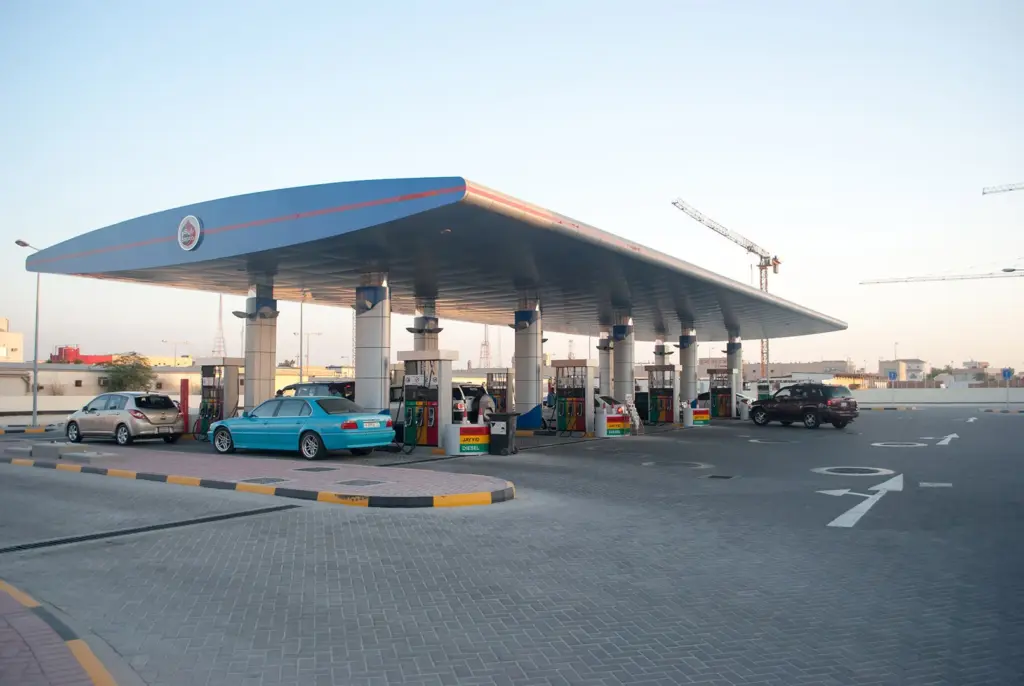
- Website
- Call now
- Bookmark
- Share
- Leave a review
- Claim listing
- prev
- next
Description
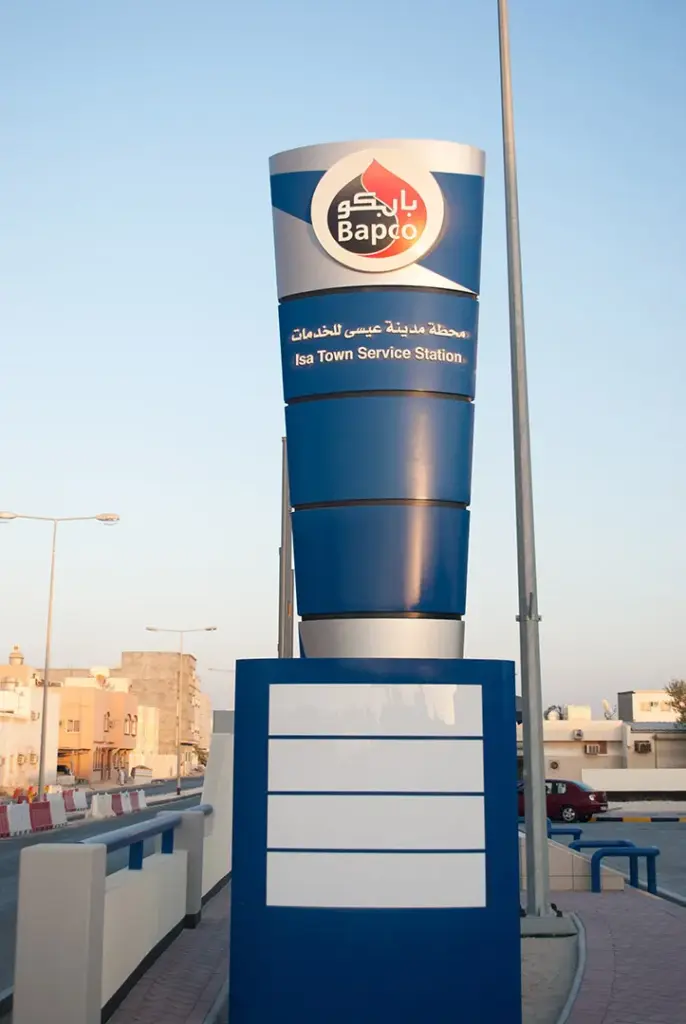
- Founded in January 1929, and it played a starring role in the early oil industry in the Arabian Gulf. Bahrain was the first Gulf country to discover oil, and Bapco shipped its first crude in 1934, starting refinery operations in 1936.
- Fully owned by the Government of Bahrain. Bapco has been central to national development and remains a major contributor to Bahrain's GDP.
Core Business & Operations
- Refinery: Processes around 267,000 barrels per day (bpd).
- Infrastructure: Has 14 million barrels of storage spread across over 170 tanks.
- Export & Marketing: Supplies products locally and internationally. Manages aviation fuel (via BAFCO), exports crude on behalf of the government, and distributes fuels.
The Bapco Modernization Programme (BMP)
- Scale & Purpose: BMP is the largest strategic investment in Bapco’s 90+ year history.
- Key Goals:
- Increase refining capacity from 267,000 to 400,000 bpd.
- Boost Ultra-Low Sulphur Diesel output by ~72%.
- Increase Jet Fuel production by ~90%.
- Upgrade and add critical processing units and infrastructure (including HCUs, CDU/VDUs, sulfur plants).
- Why: To make Bapco more competitive, energy-efficient, environmentally compliant, and aligned with Bahrain’s Vision 2030.
Governance & Business Practices
- Vendors & Procurement: Clear guidelines for vendors—tenders, pre-qualifications, inventory sharing via an iSupplier portal make the process transparent.
- Marine & Loading Facilities: Uses Sitra Wharf with multiple berths for exports (LPG, naphtha, jet fuel, gasoil, etc.) and imports. Also uses KBSP for sulfur shipments and Ras Tanura Terminal for crude export.
Culture & Responsiveness
- People & Safety: Focuses on environment, health & safety, worker welfare, and career development—highlighted under the “We Care” section.
- Transparency & Reporting: Publishes annual reports, press releases, and provides online portals (iReceivables, iSupplier) for stakeholders.
Categories
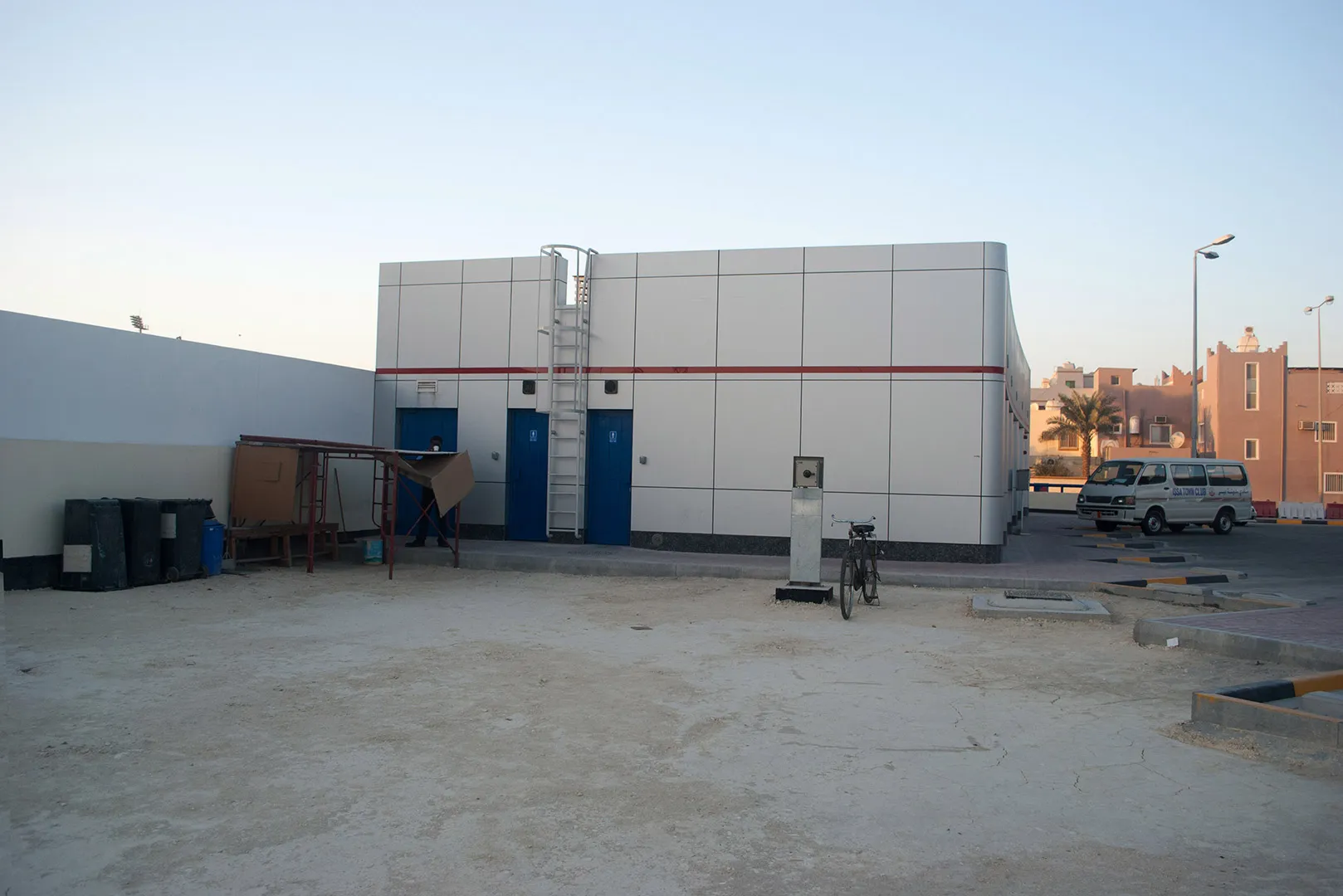
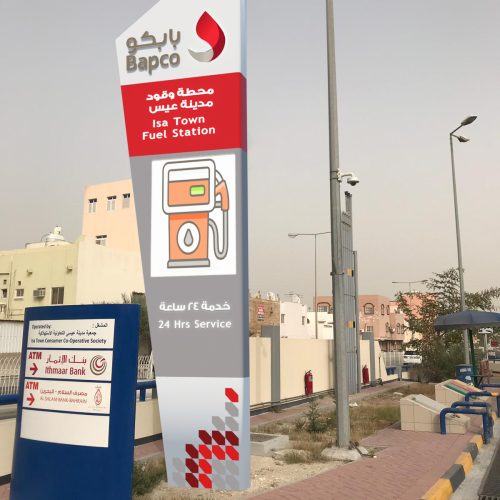
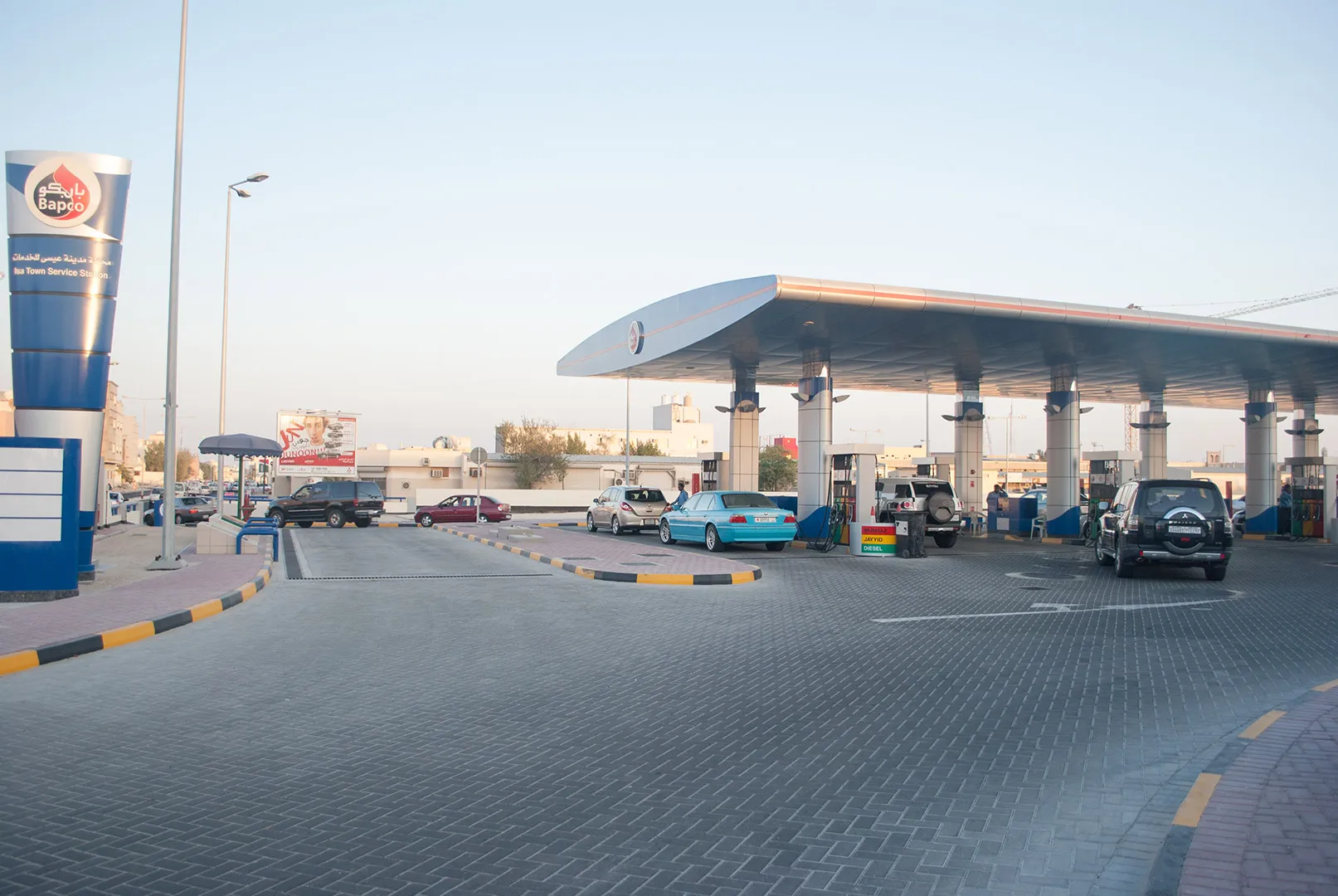
Open
Open 24h today
Toggle weekly schedule
-
Monday
Open 24h
-
Tuesday
Open 24h
-
Wednesday
Open 24h
-
Thursday
Open 24h
-
Friday
Open 24h
-
Saturday
Open 24h
-
Sunday
Open 24h
October 13, 2026 11:30 pm local time
Location
-
5HC2+RC Isa Town, Bahrain


Add a review