

How balanced Iftar and Suhoor can prevent common fasting issues
Ramadan changes more than meal times. It shifts sleep patterns, hydration habits and daily energy cycles. In the GCC, where fasting hours are long and temperatures are high, those changes can affect how the body performs.
Most health concerns during Ramadan are not caused by fasting itself. They are often the result of how Iftar and Suhoor are managed.
Dehydration and Headaches
One of the most common complaints during Ramadan is dehydration. Reduced fluid intake during daylight hours, combined with heat exposure, can lead to headaches, fatigue and muscle weakness.
The solution begins at Iftar. Breaking the fast with water and continuing to hydrate gradually throughout the evening is more effective than drinking large amounts at once. Water-rich foods such as soups, fruits and yogurt-based dishes also help restore fluids.
Suhoor plays an equal role. Including hydrating foods and limiting salty items reduces excessive thirst the following day. Spacing water intake between sunset and dawn supports better hydration balance.

Digestive Discomfort

Bloating, acid reflux and stomach discomfort are frequent issues after Iftar. These symptoms often stem from overeating or consuming heavy fried foods immediately after fasting.
A lighter start can prevent this. Breaking the fast with dates and water, followed by soup or a small salad, allows digestion to restart gradually. Waiting before eating a full main course helps regulate portion size and reduces digestive strain.
At Suhoor, overly heavy meals can also cause discomfort. Choosing moderate portions of protein and complex carbohydrates instead of rich or greasy dishes helps maintain comfort through the morning.
Energy Crashes
Many people report feeling exhausted by midday. In some cases, the cause is skipping Suhoor. Without a pre-dawn meal, the body relies entirely on the previous evening’s intake.
Suhoor should include slow-release carbohydrates such as oats or whole grains, paired with protein like eggs or yogurt. This combination helps stabilize blood sugar and reduces mid-day fatigue.
At Iftar, limiting sugary drinks and desserts prevents rapid spikes and crashes in energy later in the evening.
Sleep Disruption
Ramadan often shifts sleep schedules, especially with late-night gatherings and early Suhoor. Reduced sleep can lead to irritability, low concentration and weakened immunity.
Maintaining consistent sleep hours, even with adjustments, is important. Keeping Suhoor efficient rather than prolonged can support better rest.
Weight Fluctuations
Despite fasting, some individuals experience weight gain during Ramadan. This typically results from high-calorie evening meals, fried foods and desserts consumed in large quantities.
Balanced Iftar meals that emphasize lean protein, vegetables and moderate portions of grains can prevent unnecessary weight gain. Limiting fried appetizers and reserving sweets for occasional servings helps maintain equilibrium.
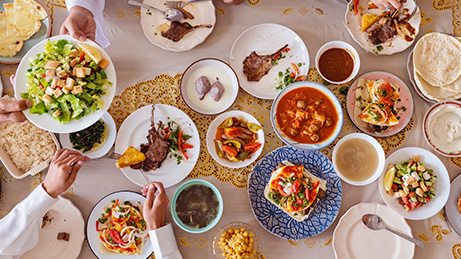
Pantry Essentials to Survive Ramadan
Category | Essentials | Why It Matters |
Hydration | Dates, water, laban, yogurt, cucumbers, watermelon | Restores fluids and minerals |
Slow-Release Carbs | Oats, brown rice, whole grain bread, barley | Sustains energy through the fast |
Protein | Eggs, chicken, fish, lentils, Greek yogurt | Supports satiety and muscle balance |
Fiber & Vegetables | Red lentils, chickpeas, leafy greens | Aids digestion and prevents bloating |
Healthy Fats | Olive oil, nuts, avocados | Slows digestion and stabilizes energy |
Flavor Without Excess Oil | Cumin, turmeric, coriander, garlic, sumac | Enhances taste without heaviness |
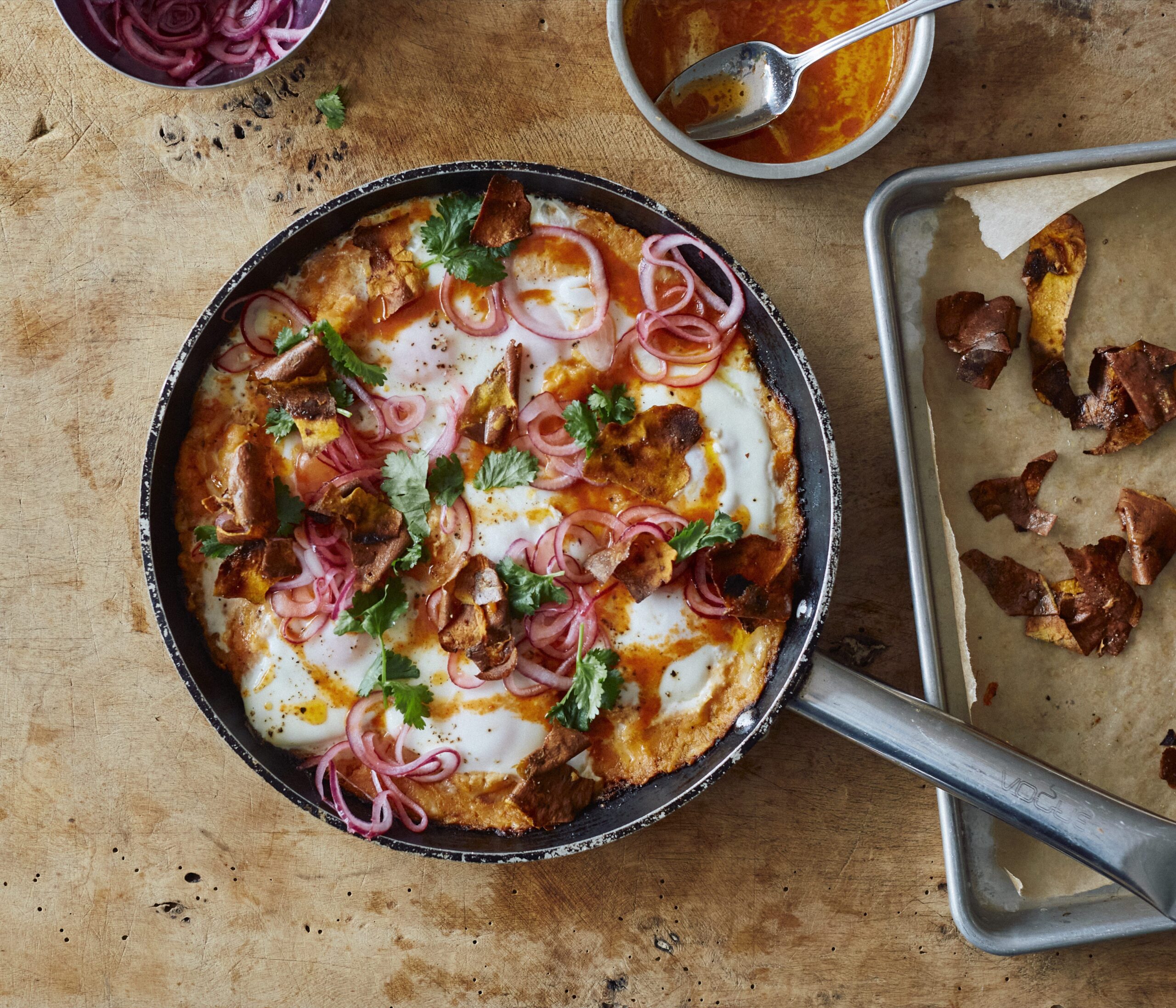
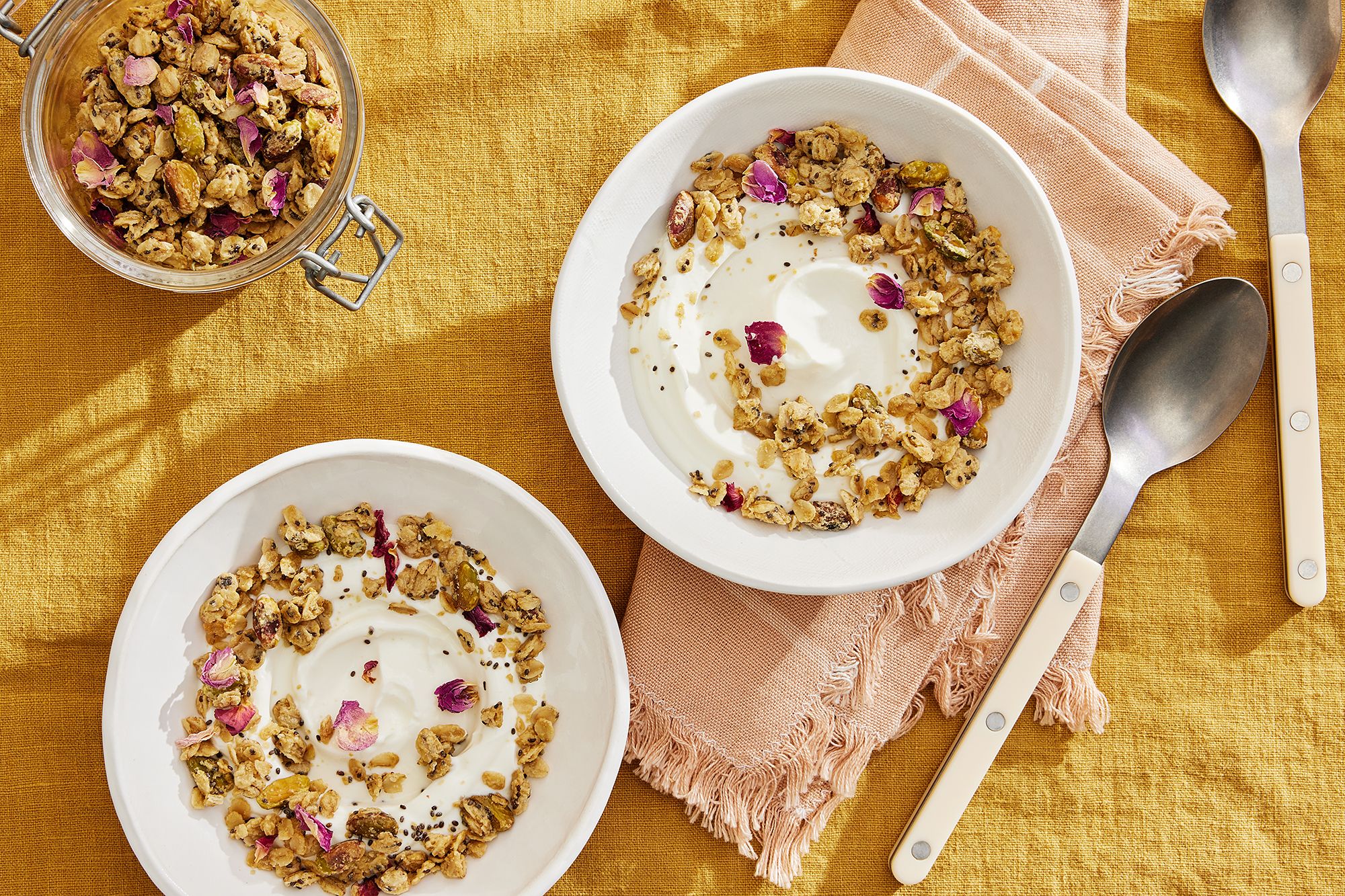
Balanced Iftar restores. Thoughtful Suhoor sustains.
When hydration, portion control and nutrient timing are prioritized, many common Ramadan health issues can be avoided. Preparation in the pantry often determines comfort throughout the month.
PowerUp Pick- Iftar Recipe
Lebanese Crushed Lentil Soup
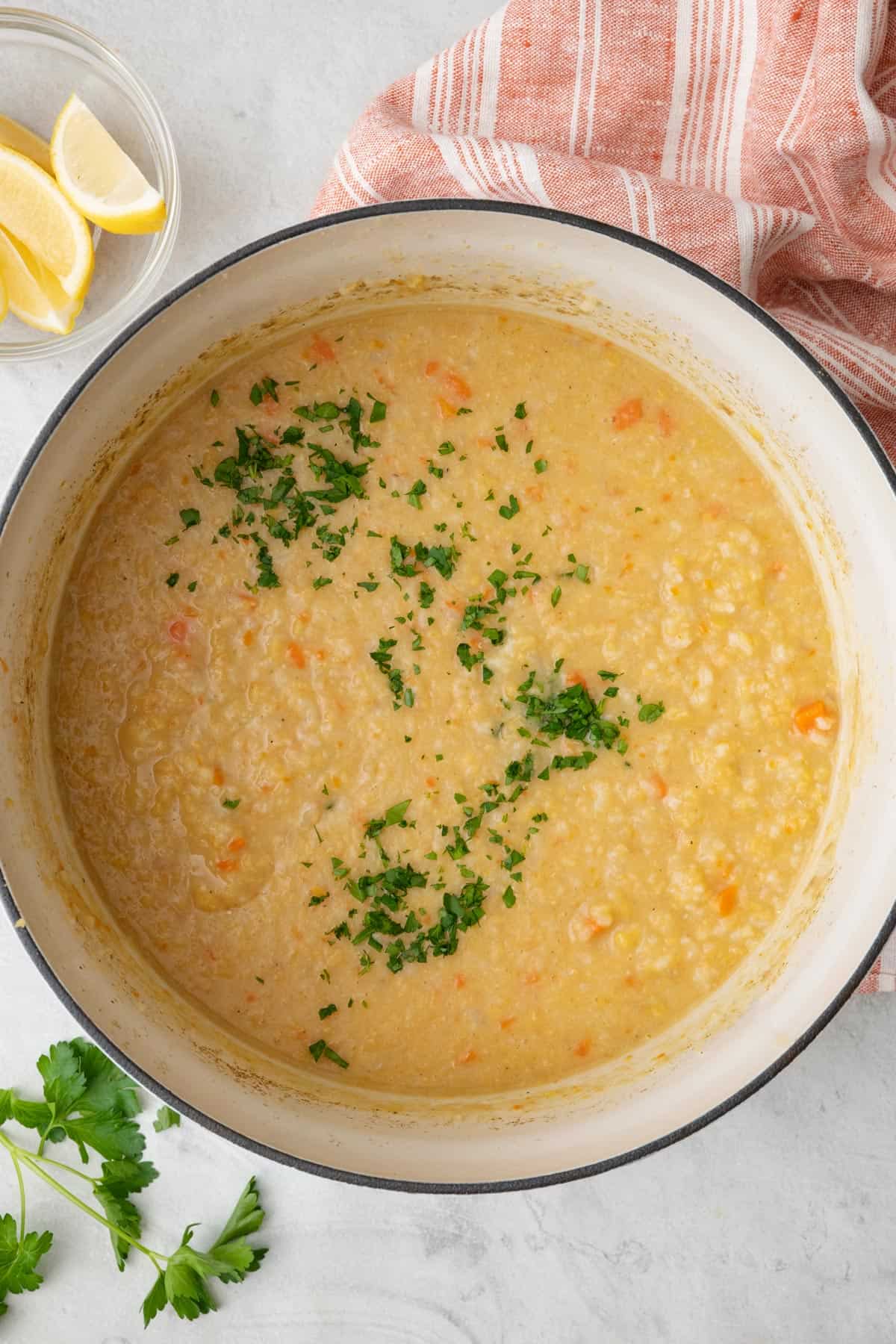
The lentil soup recipe is a Ramadan and a Lebanese staple, also referred to as crushed lentil soup it’s made with red lentils, onions, carrots, and rice! Nourishing staple after you fast.
PowerUp Pick- Suhoor Recipe
Mediterranean Egg Wrap
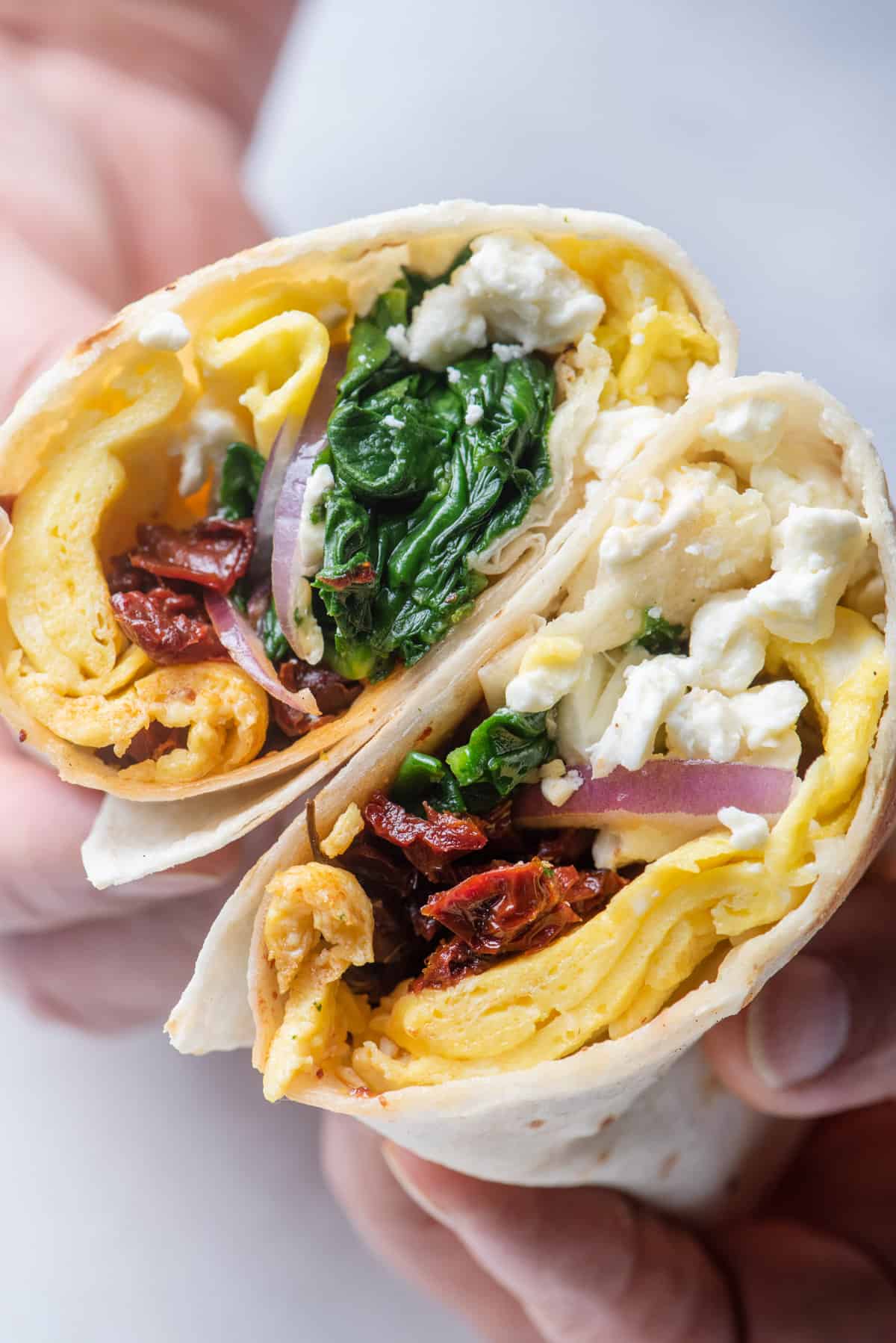
This Mediterranean Egg Wrap is a breakfast sandwich that is packed with protein, color and incredible flavor- perfect for on-the-go mornings!






Add a comment