
- Website
- Call now
- Bookmark
- Share
- Leave a review
- Claim listing
- prev
- next
Description
- It’s a coffee brand (wholesale + retail), known for ground & whole bean, K-cups, ready-to-drink coffee lines, etc.
- Originally started in 1970 (or early 70s) in the US. Founded by Jim Stewart (Stewart Brothers) as a small combo of coffee shop + ice cream shop.
Ownership & Brand Positioning
- Previously under Starbucks from ~2003 until 2022.
- In 2022, Starbucks sold the brand to Nestlé.
- Even though Nestlé now owns it, Starbucks still roasts the coffee for the brand (i.e. Starbucks handles production/roasting) in some capacity.
Brand Image & Market Position
- Positioned as more affordable than Starbucks. Less premium/“luxury coffee”, more “accessible everyday coffee”.
- A “working-class” vibe vs Starbucks’ more upscale / experience-oriented brand.
- Products are widely distributed, especially through retail channels (supermarkets, ready-to-drink, etc.) rather than pushing high-end café ambiance globally.
Challenges & Weaknesses
- Because it’s “less premium”, brand loyalty + perceived quality can suffer if consistency isn’t top notch. In coffee, perception matters a lot.
- With big players like Starbucks and local artisanal cafés pushing “specialty coffee” harder, Seattle’s Best could be seen as “basic” in some markets. That’s not bad—it has its market—but means its value prop must be clear.
- Overseen by big corporations (Nestlé), which means less agility, more formal supply-chain / cost pressures. Could hamper hyper-local adaptation.
Opportunities & Edge Moves
- Strong potential in ready-to-drink products; people love convenience.
- Could lean into “value + consistency” messaging in places where Starbucks is too premium/expensive. For example, during economic downturns people trade down but still want decent coffee.
- Localization: offering blends or products tailored to local tastes (e.g. sweeter, milder, etc.), or collaborating with local cafés / retail chains.
Categories
Closed
Closed today
Toggle weekly schedule
-
Monday
Closed
-
Tuesday
Closed
-
Wednesday
Closed
-
Thursday
Closed
-
Friday
Closed
-
Saturday
Closed
-
Sunday
Closed
October 13, 2026 10:24 pm local time
Location
-
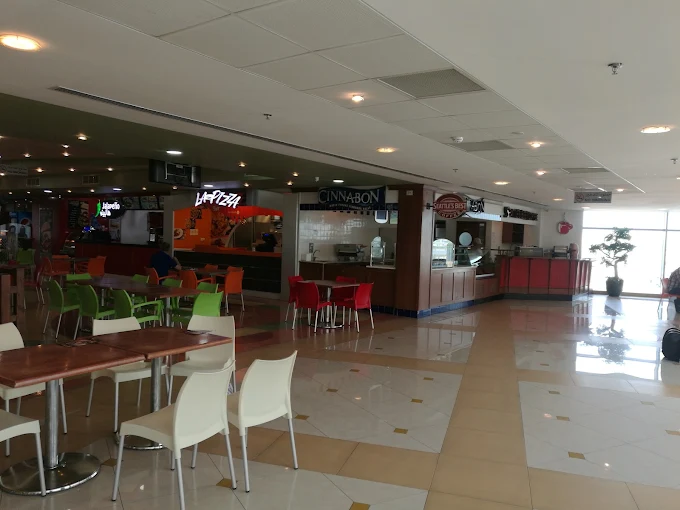
Country Mall Bahrain،, 6G96+V36، أبو صيبع، Bahrain


Add a review